


How states are powering America’s clean transportation future
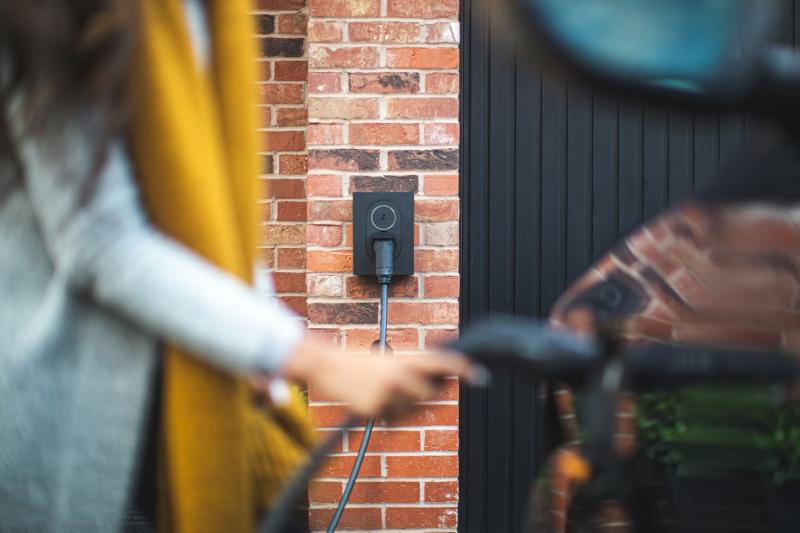
States across the country are driving the transition to zero-emission transportation — despite federal uncertainty. EDF’s U.S. Electric Vehicle State Policy Landscape Report offers an in-depth analysis of 16 key electric vehicle (EV)-supportive policies across all 50 states and the District of Columbia, demonstrating that states are already using proven policy tools to advance clean, affordable transportation.
Download the full report [PDF]
A nationwide view of state EV leadership
The report features detailed state profiles, a 16-policy matrix, and analysis designed to inform policymakers, advocates, utilities, and industry leaders as they shape next-generation EV strategies. EDF developed the report through extensive cross-state reviews of state and local government policies, regulatory agency actions and utility programs.
Key findings
States across the political spectrum continue to move the EV transition forward:
- Every state has adopted at least four EV-supportive policies, reflecting broad, bipartisan commitment to expanding clean transportation across a range of policy tools.
- California leads with all 16 policies in place, while diverse states across the country — including Arizona, Colorado, Illinois and Alabama — have built diversified EV policy portfolios.
- Charging infrastructure investment is nearly universal: Almost every state offers incentives or rebates for EV charging equipment through state or utility programs, and all states participate in the bipartisan National Electric Vehicle Infrastructure (NEVI) program to build a national fast-charging network.
- Forty states offer incentives for medium- and heavy-duty EVs, signaling broad support for cleaner trucks and buses.
Why this matters
Transportation remains the largest source of climate pollution in the United States. Strong state policies cut harmful emissions, lower fuel and maintenance costs, and unlock economic growth from EV manufacturing and infrastructure investment. Even as federal actions create uncertainty around clean vehicle standards, states are using proven policy tools to advance clean, affordable transportation. This report gives leaders the tools to strengthen policy, close remaining gaps and help ensure every community benefits from a zero-emission transportation future.
Explore more
Read EDF’s Climate 411 blog post for additional insights and analysis and download the full report to see how your state measures up and where new policies can drive deeper impact. Here’s a list of additional resources:
- Aaron Kressig, Deborah Kapiloff and Jordan Roller, The Ambition Road Map: A Guide for State and Local Advocates to Continue the Electric Vehicle Transition, Western Resource Advocates (Oct. 2025)
- CALSTART, ZET Ahead Dashboard, Tracking States’ Progress on Zero-Emission Trucks and Buses (Oct. 2025)
- NESCAUM, Clean Transportation Policy Briefs: Foundational State Policies for Electric Vehicle Adoption (Nov. 2025)
- U.S. Department of Energy, Alternative Fuels Data Center, State Laws and Incentives
Our experts
-

Distinguished Counsel & Associate Vice President, Clean Air Strategies
-

Senior Manager, Clean Air Policy and Analytics
-

Lead Counsel, Clean Transportation
MEDIA CONTACT
Sharyn Stein
(202) 905-5718 (office)